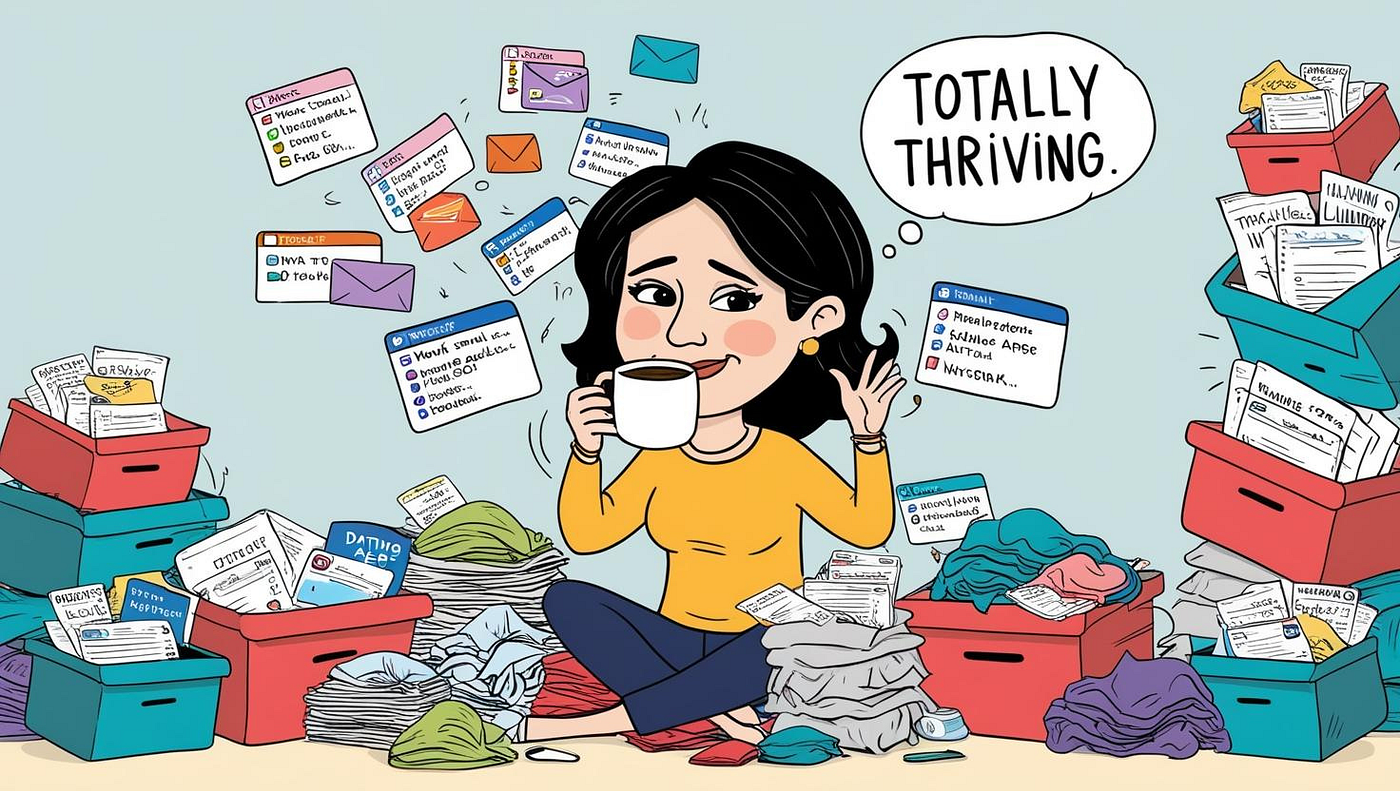

If only I could tell you how many times I had someone in their twenties sitting across from me telling me they feel behind. It is one of the most common things I hear. Whether it’s college, careers, relationships, finances, or simply trying to figure out what direction to take in life, many people in their late teens and twenties carry this quiet fear that they’re somehow falling behind but I’m here to assure you that you’re not.
Social media doesn’t exactly help. We see engagement announcements, graduate school acceptances, new jobs, promotions, dream vacations, and home purchases. Meanwhile, we’re comparing those highlight reels to our own uncertainty, self-doubt, and everyday struggles.
As a therapist who works with young adults, I understand why these thoughts show up. While every person’s experience is different, I also know how easy it is to get caught in the comparison trap. We live in a world where we’re constantly exposed to what everyone else is doing, making it easy to believe everyone else is moving forward while you’re standing still.
If I’ve learned anything from working with this population, it’s that feeling behind is far more common than people think and you’re certainly not alone.
The Myth That You Should Have It All Figured Out
Somewhere along the way, many of us picked up the idea that by a certain age we should know exactly who we are, what career we want, where we want to live, and what the rest of our lives are supposed to look like.
Honestly? Your twenties are messy. Not because you’re doing something wrong, but because they’re supposed to be. Many of the young adults I work with are navigating several major life transitions all at once. They’re finishing school, starting careers, questioning career paths they once felt sure about, moving away from home, learning how to become financially independent, entering or ending relationships, and trying to figure out who they are outside of everyone else’s expectations.
That’s a lot.
Sometimes I think young adults are expected to make some of the biggest decisions of their lives while simultaneously believing they should already know exactly who they are. That’s an incredible amount of pressure to put on yourself. No wonder so many people feel overwhelmed. Yet instead of recognizing these experiences as a natural part of growing into adulthood, many people interpret their uncertainty as evidence that they’re failing. Anxiety has a way of convincing us that we’re the only person struggling. The reality is that many of the young adults sitting in my office have the exact same fears. They just assume everyone else has life figured out.
Why Comparison Creates So Much Anxiety
Comparison is one of the biggest reasons so many young adults feel like they’re falling behind. The problem is that we usually compare our behind-the-scenes to everyone else’s highlight reel.
We see someone’s promotion, but not the dozens of rejected job applications. We see the engagement announcement, but not the difficult conversations that built a healthy relationship. We see the acceptance letter, but not the nights they questioned themselves.
One sentence I often tell my clients is:
Comparison is the thief of joy.
When we place too much importance on what others think of us, we often give them power over our own personal experience. We begin measuring our worth against someone else’s timeline instead of asking ourselves what actually matters to us.
Everyone’s timeline is different. Some people discover their dream career at twenty-two. Others completely change careers at thirty-five. Some people meet their partner early in life, while others spend years learning who they are first. Neither path is wrong.
The goal isn’t to keep up with everyone else. The goal is to build a life that feels meaningful to you.
A few weeks ago, a client came into session feeling convinced she was “behind.” Most of her friends had accepted jobs after graduation, while she still had no idea what she wanted to do.
As we talked, we realized something important. She wasn’t actually afraid of not having a plan. Instead, she was afraid of what everyone else would think if she didn’t. Once we separated her own fears from everyone else’s expectations, the conversation completely shifted.
Moments like that remind me how often comparison disguises itself as uncertainty. Sometimes what we’re really afraid of isn’t being lost, it’s being judged for not having everything figured out.
Uncertainty Doesn’t Mean You’re Failing
Something I notice often is that people treat uncertainty like it’s a problem they need to solve immediately. But uncertainty isn’t always a sign you’re lost. Sometimes it’s a sign you’re growing.
When we’re making meaningful decisions, stepping outside our comfort zone, or trying something we’ve never done before, discomfort naturally follows. That doesn’t mean you’re making the wrong choice. It means you’re doing something new.
I often remind clients that you don’t have to know your entire five-year plan to take the next step. Sometimes anxiety convinces us that unless we know exactly how everything will work out, we shouldn’t move at all.
Life rarely works that way. Progress almost always comes from taking one imperfect step after another, not from waiting until everything feels certain.
Another important thing I remind my clients is that progress is more important than perfection. As someone who works with young adults every day, I’ve learned that the people who grow the most aren’t the ones who have everything figured out. They’re the ones who keep showing up, even when things feel uncertain.
Nobody is perfect, and I know I’m certainly not. Life isn’t about getting everything right the first time. It’s about continuing to move forward, learning from setbacks, and giving yourself permission to grow.
What I Wish More Young Adults Knew
If I could leave every young adult with one message, it would be this:
Your worth is not determined by your productivity, salary, relationship status, degree, or how closely your life resembles someone else’s.
You are not behind because your journey looks different. Some of the strongest, most successful people I know have taken detours they never expected. They’ve changed careers, ended relationships, started over, questioned themselves, and felt completely lost at different points in their lives.
Growth rarely happens in a straight line, and usually the most significant growth comes from the challenging experiences.
Sometimes the seasons that feel the most uncertain end up teaching us the most about ourselves. You have to have the courage to lose sight of the shore in order to swim far enough to see what’s beyond the horizon.
I’ve watched young adults come into therapy believing they were failing, only to realize they were holding themselves to impossible standards. Sometimes what people need most isn’t to completely change their lives, they just need someone to remind them that they’re doing better than they think they are.
One thing I’ve learned, both personally and professionally, is that we spend so much time worrying about where we should be that we forget to recognize how far we’ve already come.
When It Might Be Time to Seek Support
Feeling uncertain from time to time is a normal part of young adulthood. But if anxiety, self-doubt, comparison, or feeling stuck begins affecting your relationships, work, school, or overall well-being, you don’t have to carry it alone.
One of my favorite parts about working with young adults is watching them realize they were never “behind” to begin with. They simply needed a space where they could slow down, sort through the noise, challenge the stories anxiety was telling them, and reconnect with what actually mattered to them.
If there’s one thing I hope you take away from this, it’s that your twenties are not a test you’re supposed to pass. They’re a season of learning, growing, making mistakes, changing directions, and discovering who you want to become.
And if you’re reading this wondering whether you’re behind, I hope you’ll ask yourself a different question:
“Am I building a life that feels meaningful to me?”
I think that’s a much kinder question to ask yourself.